
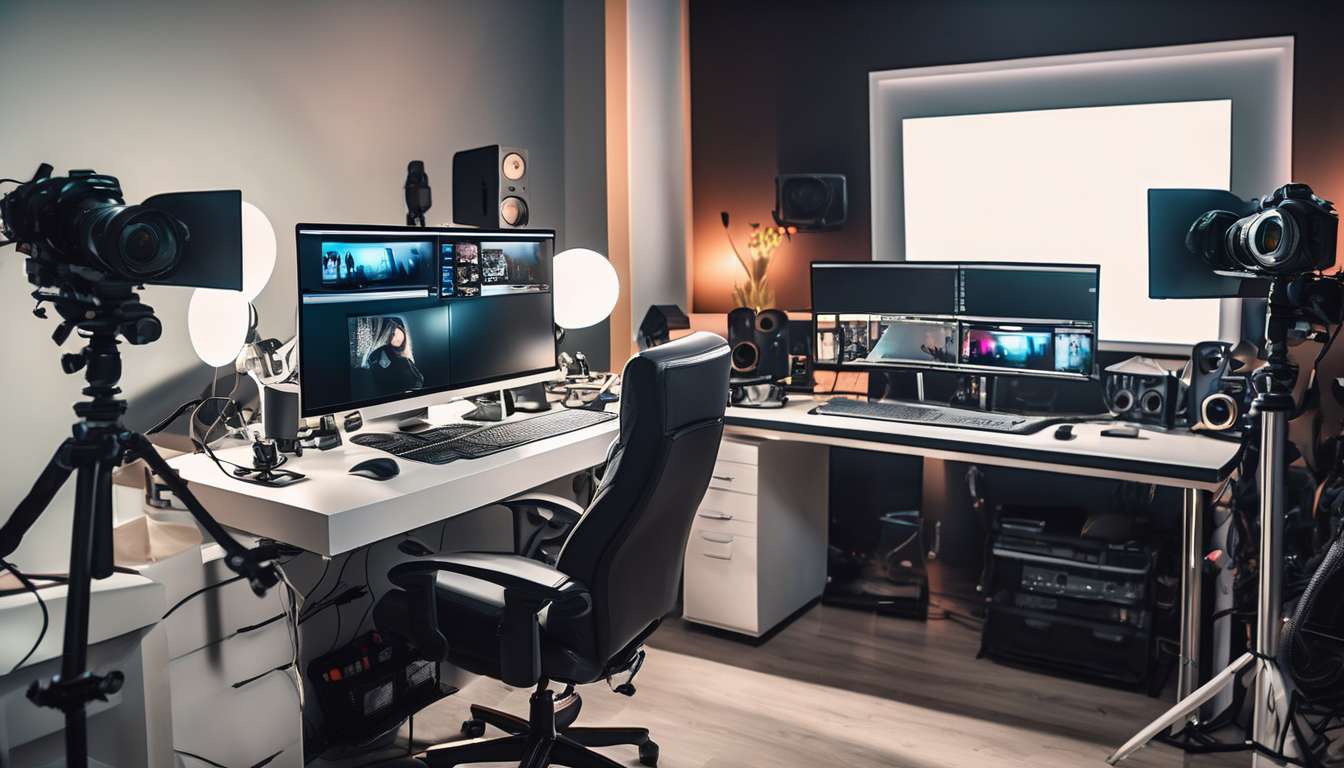
Kinetic shifts have led to a 67% increase in studio efficiency when professional workflows are adopted.
This statistic challenges the assumption that creativity and structure are at odds.
We have observed measurable operational improvements when standardized processes replace ad hoc routines:
- Schedules tighten.
- Client satisfaction scores climb.
- Turnaround times shrink.
Teams communicate more clearly and compliance tasks become seamless.
Equipment uptime improves because workflows anticipate needs rather than react to crises.
Modernizing operations isn’t about stripping artistry from the craft; it’s about removing administrative friction to give artists space to create.
Practically, we can map every stage of a shoot to measurable outcomes:
- Booking and consent documentation.
- Lighting setups.
- Production execution.
- Post-production.
By treating studios as professional environments where privacy, safety, and efficiency coexist, we achieve multiple benefits:
- Protection for talent.
- Higher client satisfaction.
- Sustainable, profitable growth.
This article outlines practical workflows that make that balance achievable and repeatable.
Booking and Consent Protocols
We confirm bookings with clear scheduling details, written consent forms, and a transparent discussion of boundaries and usage rights before any shoot.
We make consent management central to our production workflow so everyone knows what’s expected, what’s permitted, and how choices can be updated.
We’ll walk through model releases, usage windows, and any third‑party distribution clauses together, and we’ll record preferences in a shared, secure booking file that reinforces trust.
We’re committed to privacy safeguards that support dignity and belonging.
- Access to consent documents is limited to essential staff.
- Timestamps and versioning track updates.
- We keep an open line for questions or changes.
We’ll also outline cancellation, reshoot, and compensation procedures up front so no one’s left guessing.
By standardizing these steps, we create a predictable, respectful environment where contributors feel seen, supported, and confident that our production workflow honors their boundaries and choices throughout the project.
Talent Privacy Measures
We minimize identifiable data collection and enforce strict anonymization and storage protocols to protect contributors’ personal information.
We control who can access talent files.
- Access is limited by role.
- Dual authorization is required for any sensitive retrieval.
- Every retrieval is documented with reasons and a defined duration.
We segregate personal details from creative assets within the production workflow.
- Names, contact data, and legal IDs are stored in an encrypted, access‑logged system separate from shoot files.
We apply consistent technical safeguards.
- Hashed identifiers.
- Time‑limited tokens.
- Routine audits that the community can review.
We treat privacy as a shared value through training and consent management.
- Every team member is trained in consent management.
- Contributors are given clear, ongoing control over their records, including withdraw options integrated into consent processes.
By embedding these measures into everyday practices, we create a studio culture where contributors feel respected, safe, and connected.
- The approach prioritizes contributor autonomy while maintaining operational clarity.
Equipment Maintenance Routines
We schedule regular inspections and preventive servicing for every piece of gear.
Purpose: avoid downtime, extend equipment life, and ensure consistent image quality.
How we act on this:
- We keep a shared log that tracks maintenance dates, firmware versions, and minor repairs so everyone feels included and accountable.
- Our routine ties directly into the production workflow: when an item needs calibration or replacement, we flag it in scheduling tools to prevent last-minute scrambles and keep shoots running smoothly.
We standardize cleaning protocols and rotate spares.
Scope: lenses, lights, audio equipment, and critical accessories.
Practices:
- Standardized cleaning steps and approved materials for each equipment type.
- Spare rotation so no one faces unexpected failures alone.
We integrate consent management and privacy safeguards into equipment handling.
Examples:
- Controlled access to memory cards and equipment.
- Encryption of storage and secure transfer methods.
- Verification of releases before files are copied or shared.
We provide regular training and shared responsibility.
Outcomes: builds trust, reduces risk, and keeps the studio operating professionally and respectfully.
Production Day Checklists
We use concise, role-specific production day checklists to make sure every shoot starts on time, runs safely, and finishes with all deliverables accounted for.
The day is broken into clear segments—pre-shoot, on-set, wrap—and tasks are assigned so everyone knows responsibilities and timing.
Checklists include consent management steps:
- Verifying signed releases.
- Confirming scope with talent.
- Recording agreed limitations.
Checklists embed privacy safeguards:
- Device restrictions.
- Secure file labeling.
- Designated transfer procedures to protect participants and data.
Our production workflow checklist ties operational items to contingencies:
- Crew calls, wardrobe, and talent briefings are scheduled and tracked.
- Contingency actions are defined for delays or sensitive requests.
Checklists remain digital and editable so teams can update items in real time and preserve an audit trail.
Using a shared checklist structure fosters a supportive environment where team members feel included and trusted to speak up.
When everyone follows the same checklist, we minimize errors, respect boundaries, and deliver consistent, professional results that honor both craft and community.
Lighting and Set Standards
Lighting standards prioritize safety, consistency, comfort, and dignity.
We establish clear lighting levels, color temperatures, and fixture placement so every session feels predictable and inclusive.
We make adjustments collaboratively to respect individual needs.
Consent is integrated into pre-shoot briefings.
We confirm boundaries around visibility, camera angles, and what will be recorded before any lights go up.
Set design is treated as part of the production workflow.
We arrange props, backdrops, and furniture to:
- reduce hazards,
- enable mobility, and
- support performers’ agency.
Electrical and emergency safety are verified with checklists.
We use checklists to confirm:
- electrical safety,
- proper cable routing, and
- emergency access.
We also schedule breaks to prevent fatigue under lights.
Privacy safeguards are strictly enforced.
We maintain controlled sightlines, limit crew access, and post clear signage so only authorized personnel are present during sensitive setups.
Shared standards build a professional, respectful environment.
By defining and following these practices together, we build trust, foster belonging, and maintain a workplace that respects everyone’s dignity and safety.
Post‑Production Workflow
Post-production standardization:
In post-production we standardize file handling, editing, and approval steps so every final image is accurate, secure, and delivered on schedule.
Clear production workflow and role assignment:
We create a clear production workflow that maps ingest, color grading, retouching, and export.
We assign roles so everyone knows responsibilities.
Consent and metadata integration:
We integrate consent management into metadata tagging and access controls, ensuring signed releases are linked to files before any edits or distributions.
Secure storage and privacy safeguards:
We use redundant, encrypted storage and strict privacy safeguards so team members feel safe sharing work and trusting systems.
Consistency and version control:
We use editing templates and presets to keep aesthetic consistency, while versioning prevents accidental overwrites.
Quality checks and approval queue:
We run routine quality checks and maintain a concise approval queue that includes creators, compliance, and a final sign-off.
This reduces bottlenecks and fosters belonging through shared standards.
Training and accountability:
We train regularly on tools and policies, and we log edits and permissions so accountability is transparent.
Overall approach:
By treating post-production as a collaborative, secure step in the broader production workflow, we deliver reliable results and strengthen team trust.
Client Communication Systems
We set up clear, secure channels for client communication — covering bookings, briefs, approvals, and revisions — so everyone knows how and when to exchange information.
- We use dedicated channels (email, secure messaging, project platforms) mapped to specific purposes: bookings, briefs, approvals, revisions.
- We define expected response times and escalation paths to keep projects moving.
We foster a welcoming environment where clients and crew feel included, using consistent messaging templates and shared calendars to reduce confusion.
- Standard templates (welcome, brief request, revision notes, sign-off) ensure clarity and inclusivity.
- Shared calendars and visible timelines keep everyone aligned on availability and deadlines.
Our systems tie consent management into client intake so permissions are tracked alongside creative briefs.
- Consent and usage permissions are recorded at intake and attached to each project file.
- Permission states are visible to relevant contributors to avoid unauthorized use.
We make sure any changes flow smoothly through the production workflow to keep schedules predictable.
- Changes follow a documented workflow: request → review → approval → implementation → confirmation.
- Version control and status indicators prevent lost or duplicated work.
We prioritize privacy safeguards: encrypted messages, limited-access folders, and role-based permissions so contributors only see what they need.
- Encrypted communications and secure storage protect sensitive material.
- Role-based access limits exposure and reduces the risk of accidental leaks.
We use versioned approvals and time-stamped confirmations to prevent misunderstandings and to keep projects moving without micromanaging.
- Every approval or handoff is versioned and time-stamped for auditability.
- Automated notifications inform stakeholders of status changes without manual prompting.
Regular check-ins are brief, focused, and respectful of boundaries, reinforcing trust and belonging.
- Short, agenda-driven meetings or asynchronous updates maintain momentum while respecting time.
- Opt-in participation and clear objectives prevent meeting fatigue.
By standardizing communication tools and etiquette, we create a collaborative, efficient studio culture where everyone knows their part, feels respected, and can contribute confidently to consistent, professional outcomes.
- Documented etiquette (tone, response windows, file-naming, feedback format) sets expectations.
- Onboarding and refreshers keep new and existing team members aligned with processes.
Compliance and Recordkeeping
We keep thorough, auditable records of releases, permissions, contracts, invoices, and usage logs.
This ensures we can meet legal requirements, resolve disputes, and track rights over time.
We centralize consent management within our production workflow.
Every participant’s permissions are recorded, timestamped, and linked to specific assets.
That clarity builds trust.
We protect creators and clients alike.
We enforce privacy safeguards at every touchpoint:
- Encrypted storage
- Role-based access
- Routine audits showing who viewed or modified files
Our templates and checklists promote consistency and efficiency.
They reduce ambiguity and speed processing without cutting corners.
We keep policies current when regulations change.
- Update forms
- Train staff
We maintain retention schedules and destruction policies aligned with law and community standards.
Records are retained only as long as needed.
We treat recordkeeping as a shared responsibility.
This creates a welcoming, accountable environment where everyone knows their rights and responsibilities, and our operations run smoothly and transparently.
How do you handle insurance and liability coverage specific to adult photography productions?
We carry specialized general liability and professional liability policies.
We require signed model releases and location waivers.
We verify participants’ ages and IDs.
We mandate risk assessments, clear consent protocols, and privacy measures.
We work with insurers experienced in adult content.
We keep records current.
We consult attorneys to tailor coverage so our team and talent feel safe and respected.
What are the financial policies regarding refunds, reshoots, and unused time on booked shoots?
We handle refunds, reshoots, and unused time with clear, fair policies we share up front.
Refunds for completed services:
We do not issue refunds for services that are completed. If quality issues arise that we cannot fix, we will offer a credit or a reshoot instead.
Unused booked time:
- Unused time is forfeited unless we cancel or reschedule.
- If we cancel or reschedule, we will refund or credit proportionally.
Our approach to problems:
We aim to be flexible and supportive, and we will work together to find reasonable solutions when issues come up.
How do you manage mental health and on-set support for talent and crew during emotionally taxing shoots?
We prioritize mental health and on-set support.
Calm, confidential spaces are provided for talent and crew to step away, rest, or speak privately when needed.
Regular check-ins with talent and crew ensure people’s needs are noticed and addressed promptly.
Breaks and optional counseling resources are available so everyone can access short-term relief or professional support as desired.
Clear stop words allow anyone to pause a scene or interaction without judgment.
Trauma-informed training is provided to team members, including de-escalation techniques, so staff can respond safely and sensitively.
Post-shoot debriefs happen after intense shoots to process feelings together and identify follow-up needs.
Schedule adjustments and follow-up care are made when necessary to keep everyone safe, respected, and supported.
Conclusion
You’ve modernized your adult photography studio by standardizing booking and consent, protecting talent privacy, and keeping equipment and sets production-ready.
By following clear on‑set checklists, consistent lighting standards, and an efficient post‑production workflow, you’ll speed projects and reduce errors.
Maintain proactive client communication and meticulous compliance and recordkeeping to stay legal and professional.
Keep refining these systems so your studio runs smoothly, respectfully, and reliably as you scale.